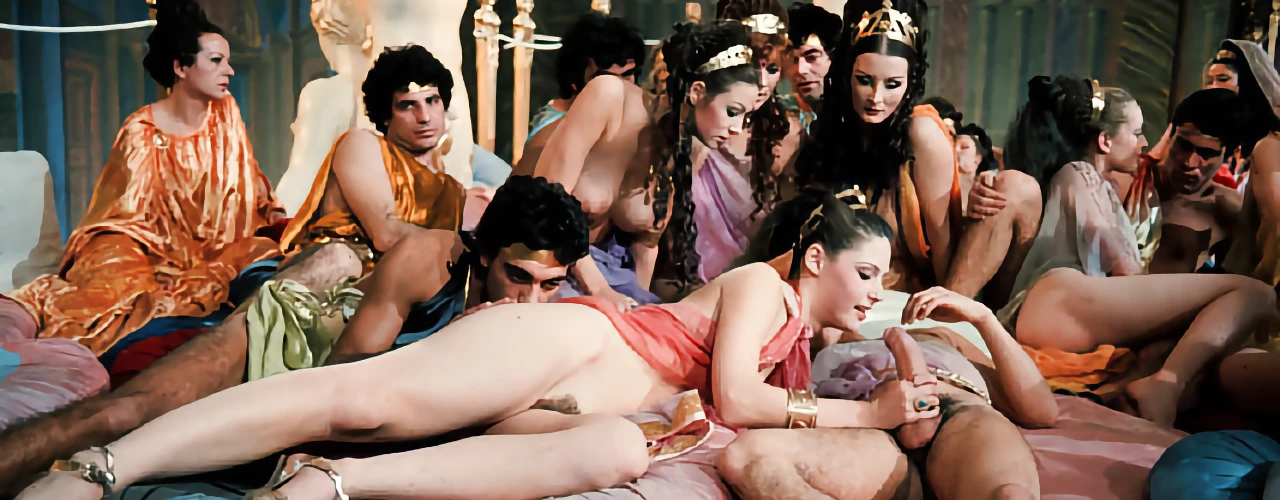
When history met hedonism, the result was Caligula—a $17 million Roman epic that scandalized critics, titillated audiences, and cemented Penthouse’s daring vision. Gore Vidal’s pen, Tinto Brass’s camera, and Bob Guccione’s unflinching hand collided to create cinema’s most notorious orgy. What began as a high-art satire became a glittering collision of power, politics, and pure pleasure.
Guccione, always a provocateur, took the gamble no Hollywood studio dared. He brought in his own goddesses—our Penthouse Pets—women who already set pulses racing from glossy centerfolds, and let them loose under the lights of Cinecittà. History would never look the same again.
“If Caesar had owned a camera, this is the film he would have made.”
The Pets Who Became Roman Goddesses
Penthouse was not content to stay on the printed page. In Caligula, our Pets stepped into marble palaces and gilded beds, breathing erotic life into Rome’s decadence.
Anneka Di Lorenzo
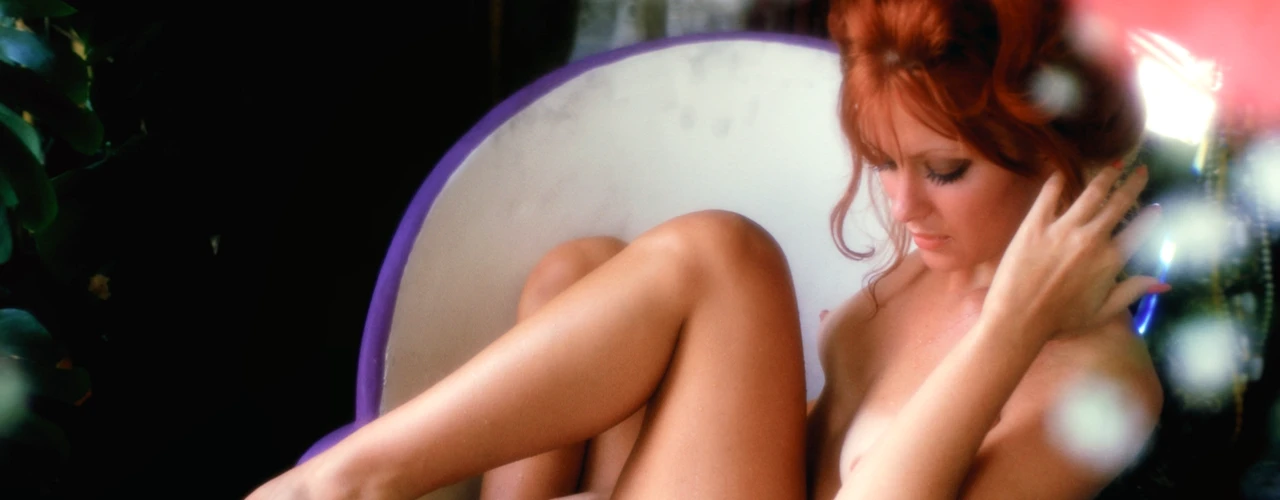
- Penthouse Pet of the Month: September 1973
- Pet of the Year: 1975
- Role: Messalina
Messalina herself—dangerous, radiant, unforgettable. Anneka ruled both the screen and Guccione’s vision, embodying the feral beauty of Rome’s darkest desires.
“Our golden girl turned Roman goddess—Anneka didn’t just play history, she rewrote it.”
Juliet Morris
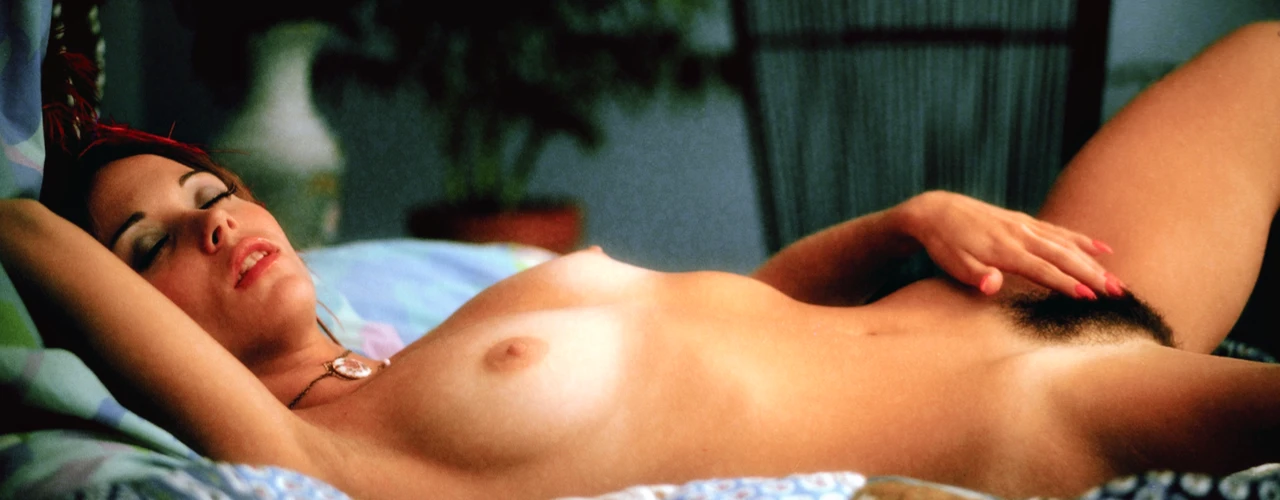
- Penthouse Pet of the Month: January 1975
- Role: Imperial Consort
The patrician blonde with fire in her eyes. On screen, she looked every inch a noblewoman, until lust unshackled her into something rawer, more dangerous.
“The patrician blonde who shed nobility for naked abandon.”
Signe Berger
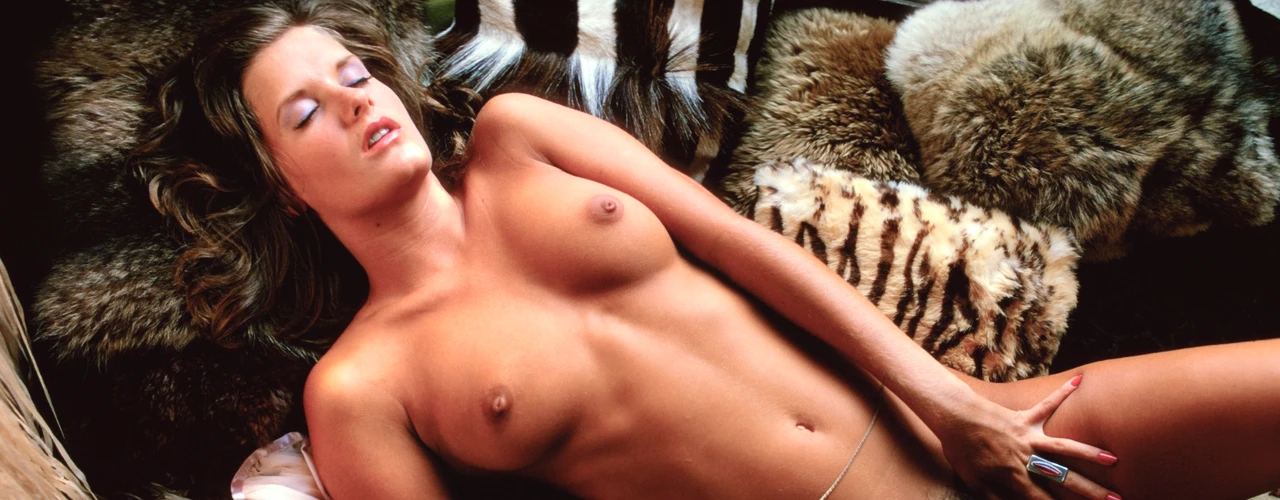
- Penthouse Pet of the Month: April 1975
- Role: Orgy participant
Tall, blonde, Nordic—a flame in the cold marble halls. She turned the orgy scenes into tableaux of icy elegance and molten abandon.
“Nordic flame—cold as marble, hot as fire.”
Bonnie Dee Wilson
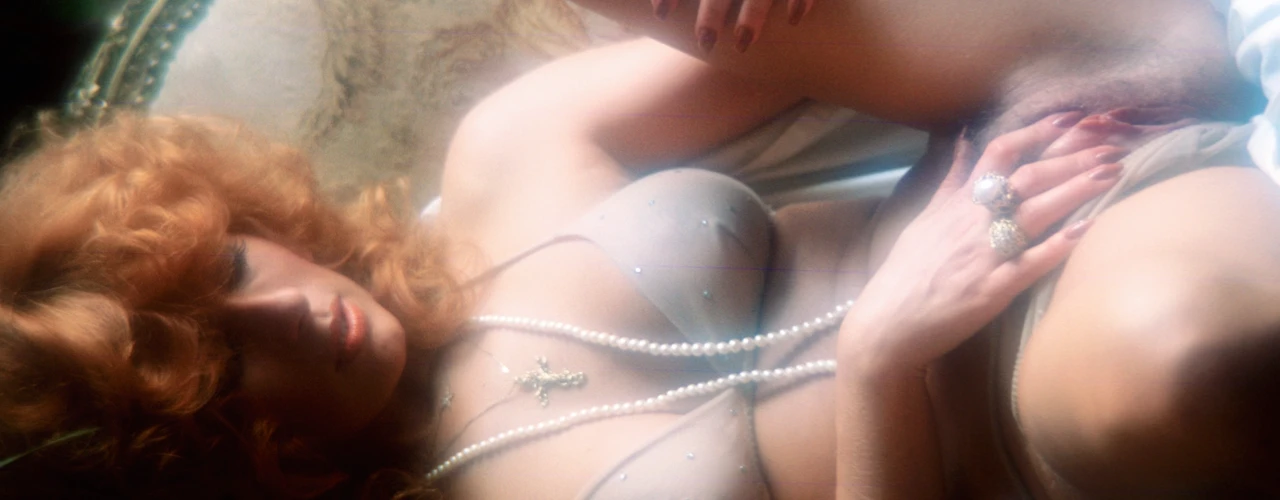
- Penthouse Pet of the Month: November 1975
- Role: Brothel worker / Orgy scenes
Voluptuous and untamed, she became one of Guccione’s muses in the unsimulated sequences. Her presence alone made the screen sweat.
“Voluptuous, untamed, unforgettable—Bonnie was the body Guccione couldn’t cut.”
Helen Lang
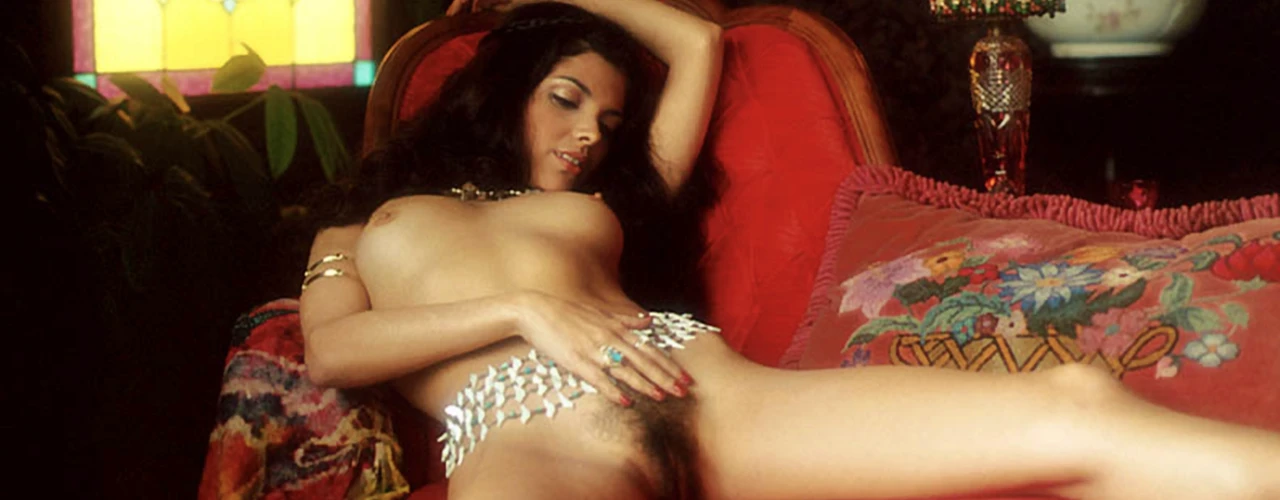
- Penthouse Pet of the Month: July 1976
- Role: Courtesan
Silent, watchful, and unforgettable. A quiet storm, waiting for the camera to discover her—and when it did, her Penthouse grace burned through.
“The quiet storm—her silence spoke louder than any script.”
Susanne Saxon
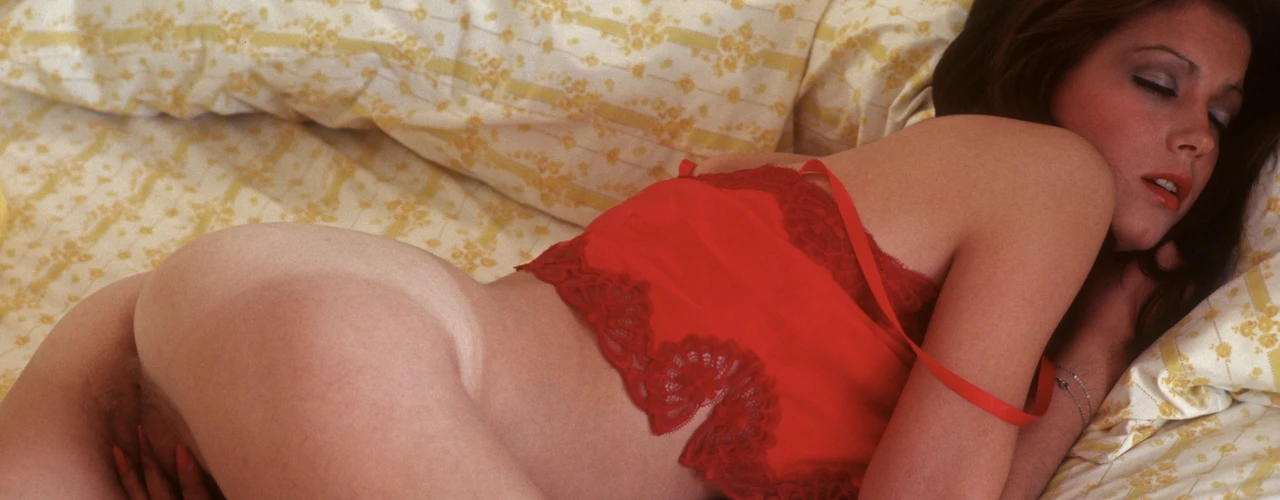
- Penthouse Pet of the Month: October 1976
- Role: Brothel worker
Exquisite in line and form, she proved the body could speak louder than any script. A Penthouse discovery made immortal in Roman stone.
“Profile of perfection—Susanne turned a glance into a seduction.”
Carolyn Patsis
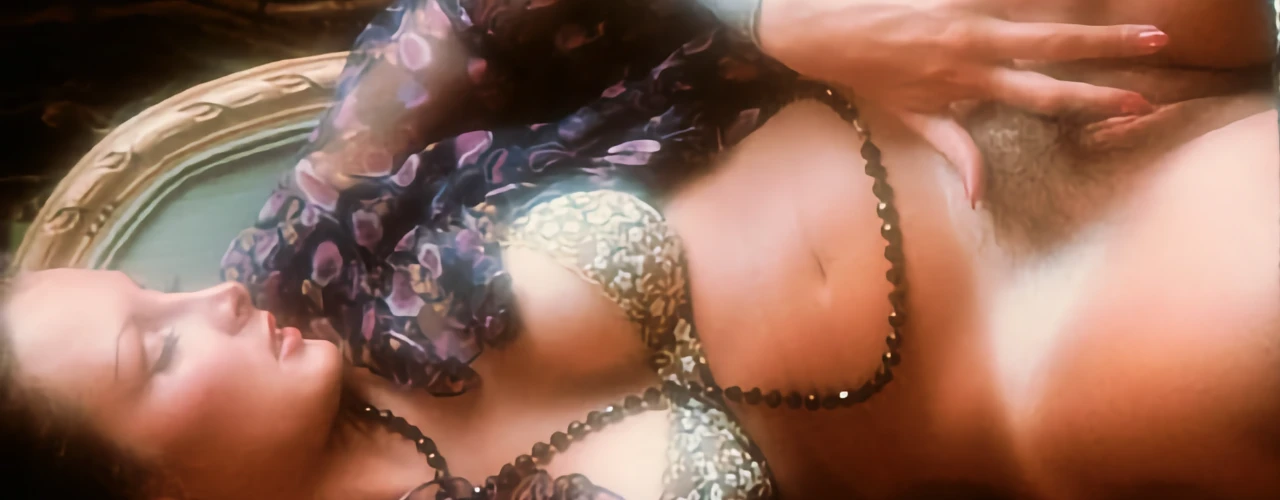
- Penthouse Pet of the Month: November 1976
- Role: Orgy participant
Soft, warm, almost innocent—until innocence slipped into indulgence. She made Rome’s excesses look like a natural extension of beauty.
“Innocence melted into indulgence—Carolyn made decadence look sweet.”
Lori Wagner
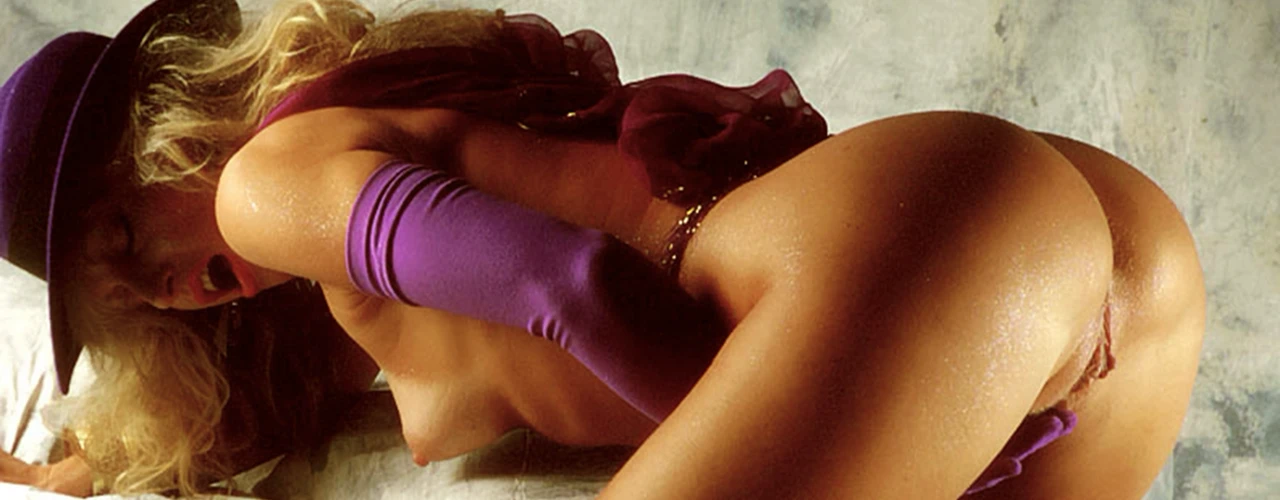
- Penthouse Model
- Role: Orgy participant
Lori’s body was poetry in motion, fluent in every language of desire. Her presence in Guccione’s added scenes pushed Caligula into the realm of the unforgettable.
“Her body spoke every language of desire—Lori’s heat pushed Caligula over the edge.”
Melanie Sutherland
- Penthouse Model
- Role: Orgy participant
One of Guccione’s secret weapons—seductive, fearless, and utterly committed to the decadent dream.
“A sensual discovery—Melanie brought heat to Guccione’s private reels.”
Rhiana Post
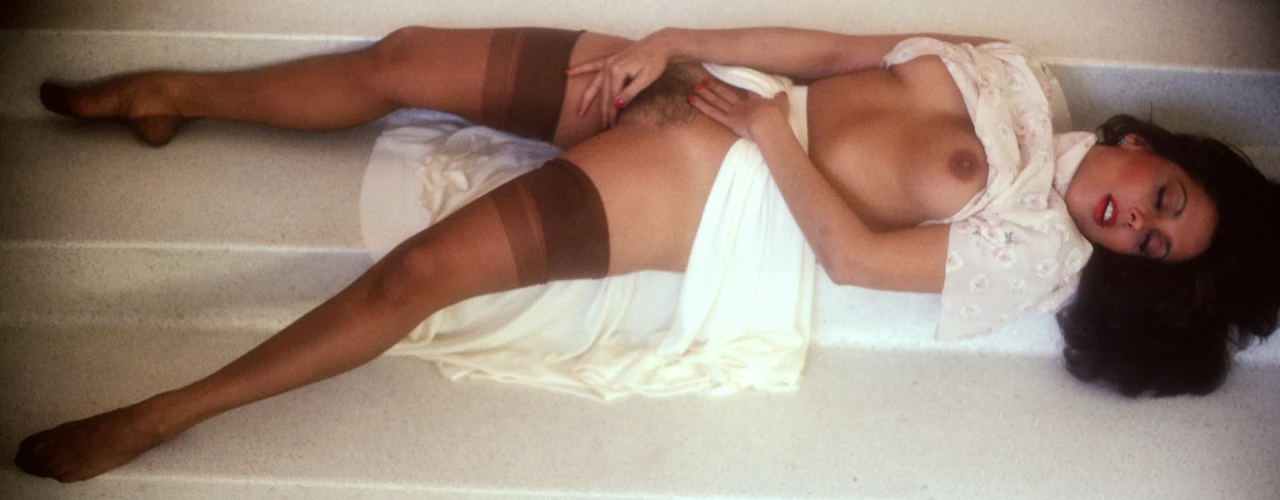
- Penthouse Model
- Role: Orgy participant
Exotic, daring, unafraid. Rhiana embodied the reckless edge of Rome’s decline, flashing beauty that was impossible to ignore.
“Exotic, daring, unafraid—Rhiana embodied the fall of Rome in flesh.”
The Imperial Orgy
- Budget: $17 million
- Location: Cinecittà Studios, Rome
- Cast: Oscar winners alongside Penthouse Pets
- Result: Banned, censored, cut… and immortal
“They called it obscene. We called it honesty.”
The Orgy of Art and Porn
Tinto Brass wanted satire. Gore Vidal wrote tragedy. Guccione demanded sex. Between them, they created a film that was neither one thing nor the other—but everything at once. Critics recoiled, censors raged, but audiences couldn’t look away.
Guccione spliced his Penthouse beauties into Rome’s marble corridors, unashamed and unfiltered. For the first time in mainstream cinema, sex wasn’t an afterthought. It was the point. The Pets weren’t background; they were the heartbeat.
- Anneka Di Lorenzo:: Centerfold to silver screen
- Lori Wagner: July ’79 Pet turned Roman temptress
- Guccione’s Vision: If Hollywood wouldn’t dare, Penthouse would
“Guccione didn’t just push the line—he erased it with a camera flash.”
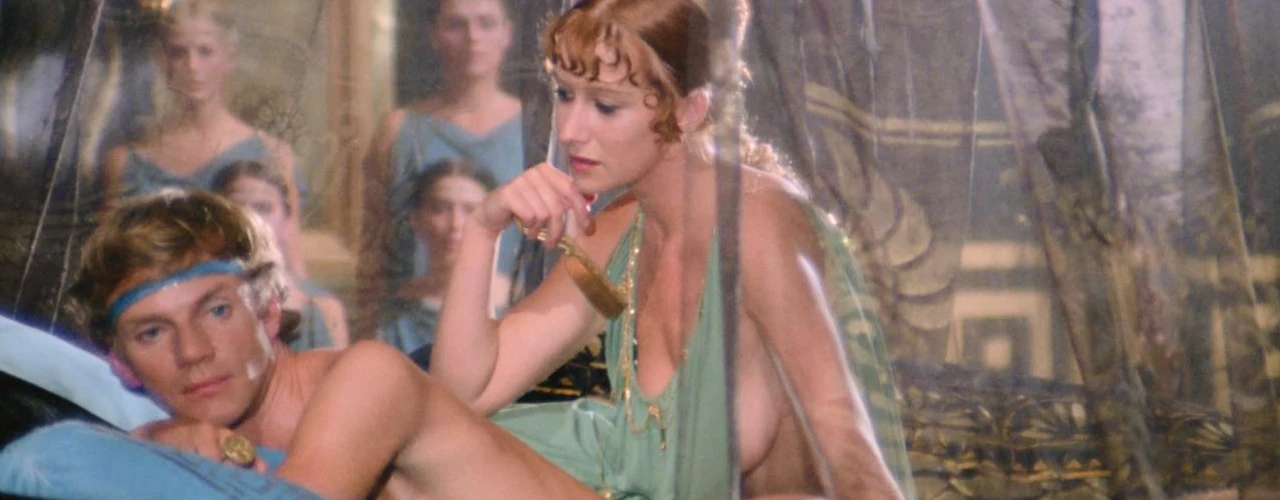
Rome Fell, But Desire Endures
More than four decades on, Caligula remains one of the most infamous films ever made. Its mix of prestige and pornography, scandal and spectacle, is still unmatched. For those who saw it in theaters, it was an initiation into a new erotic age. For those who didn’t, the legend lingers—of Pets in palaces, orgies on marble floors, and a publisher bold enough to prove that sex belonged on the biggest screens of all.
When Rome burned, they say, Caligula danced. When Caligula played, Penthouse smiled.
“Rome gave us empire. Guccione gave us ecstasy.”
Author: Lea Parkins