Re Debris Bio
Re Debris is an American actress and model. She was born Marie-Catherine Perkins on June 20, 1949, in Campbell, Texas, United States.
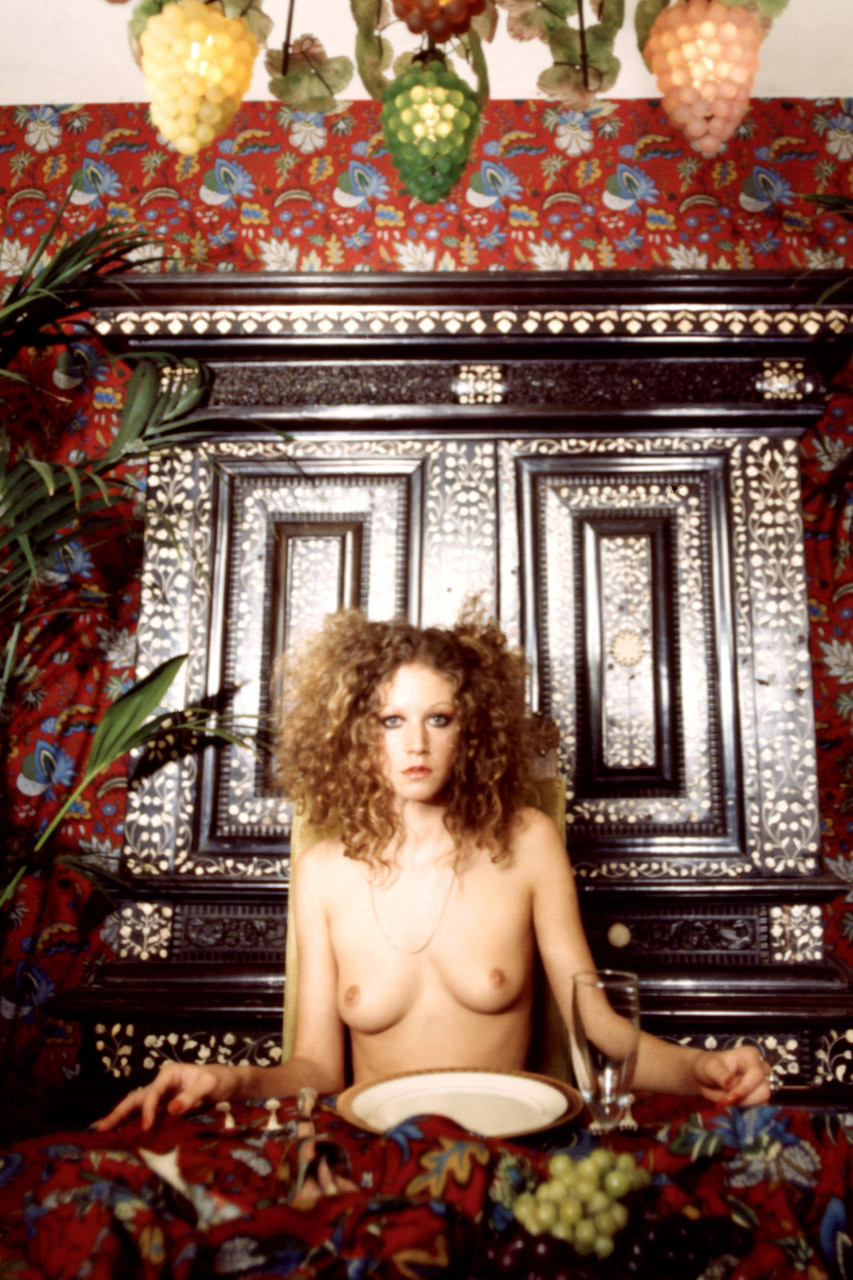
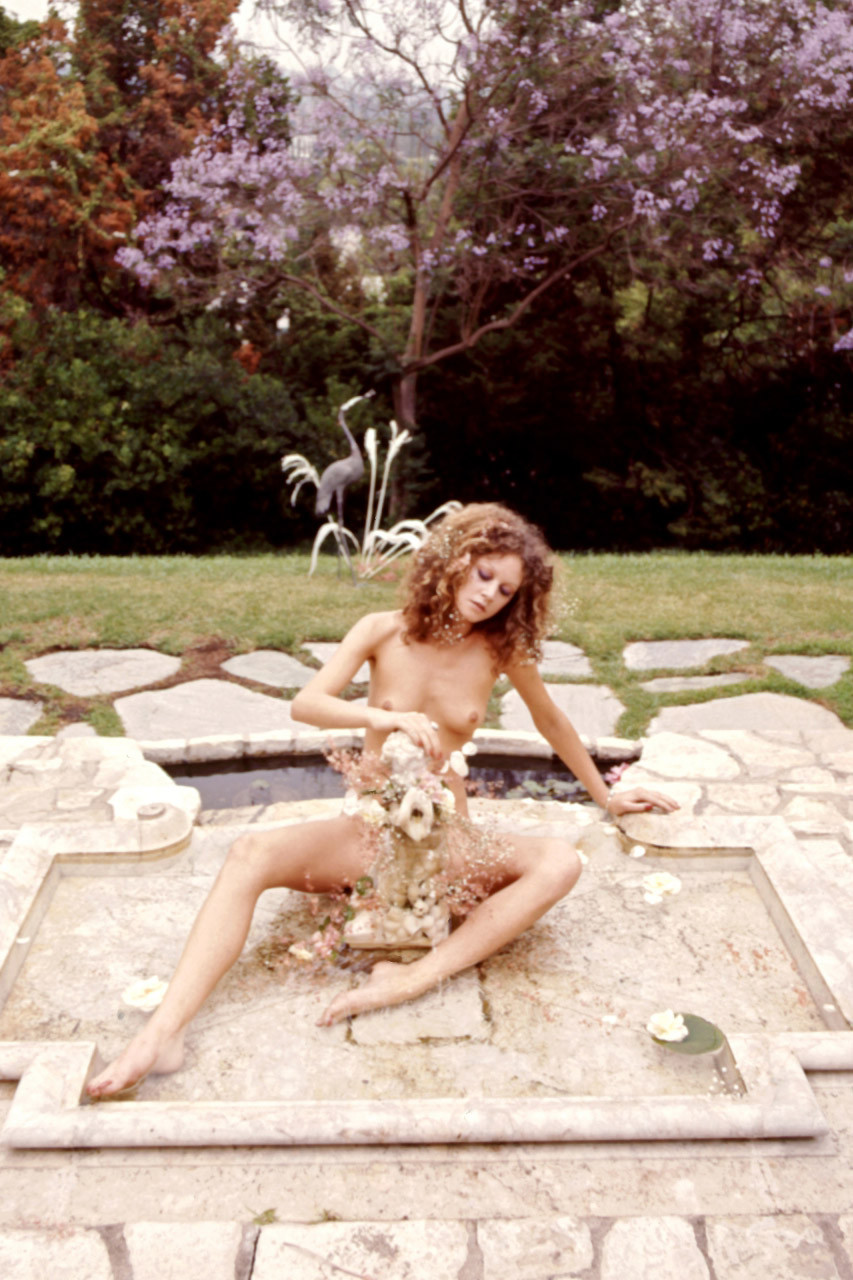
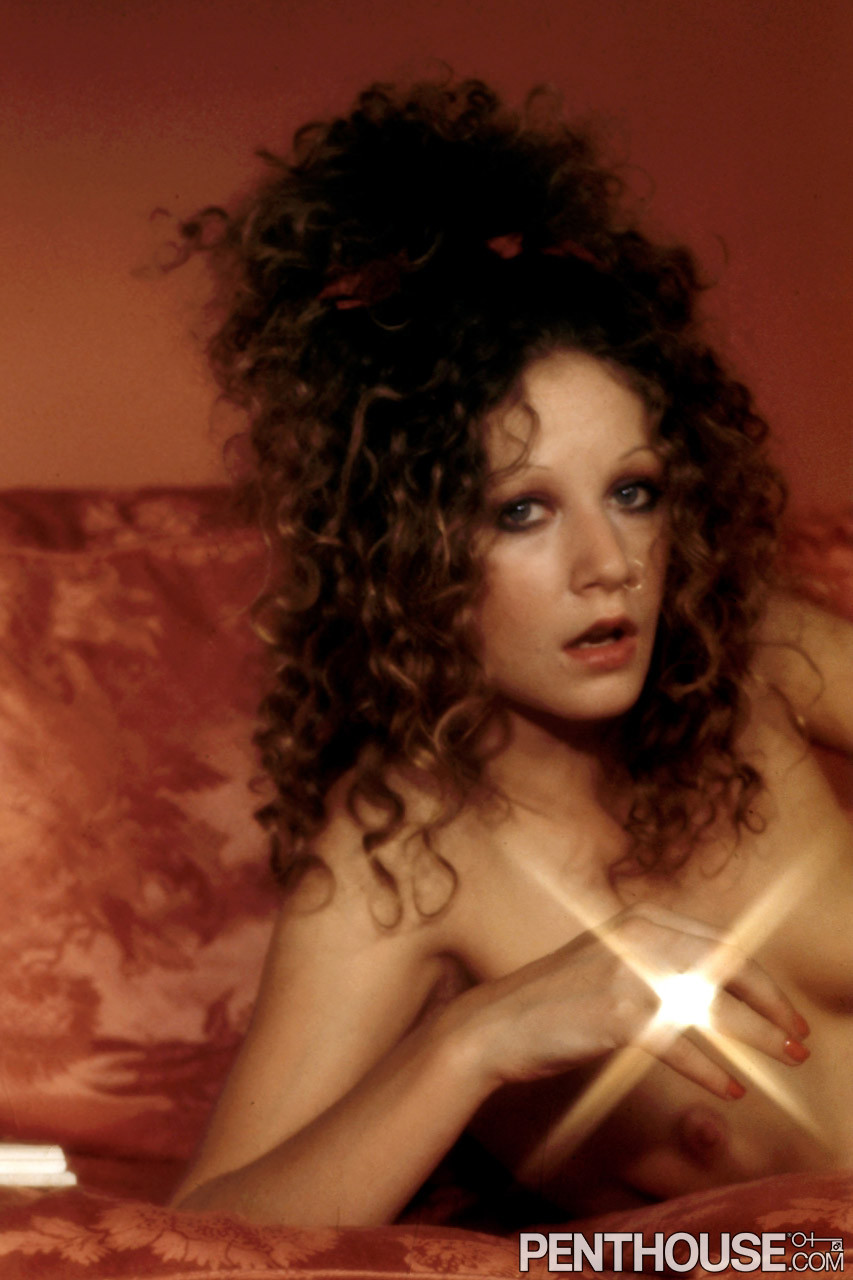
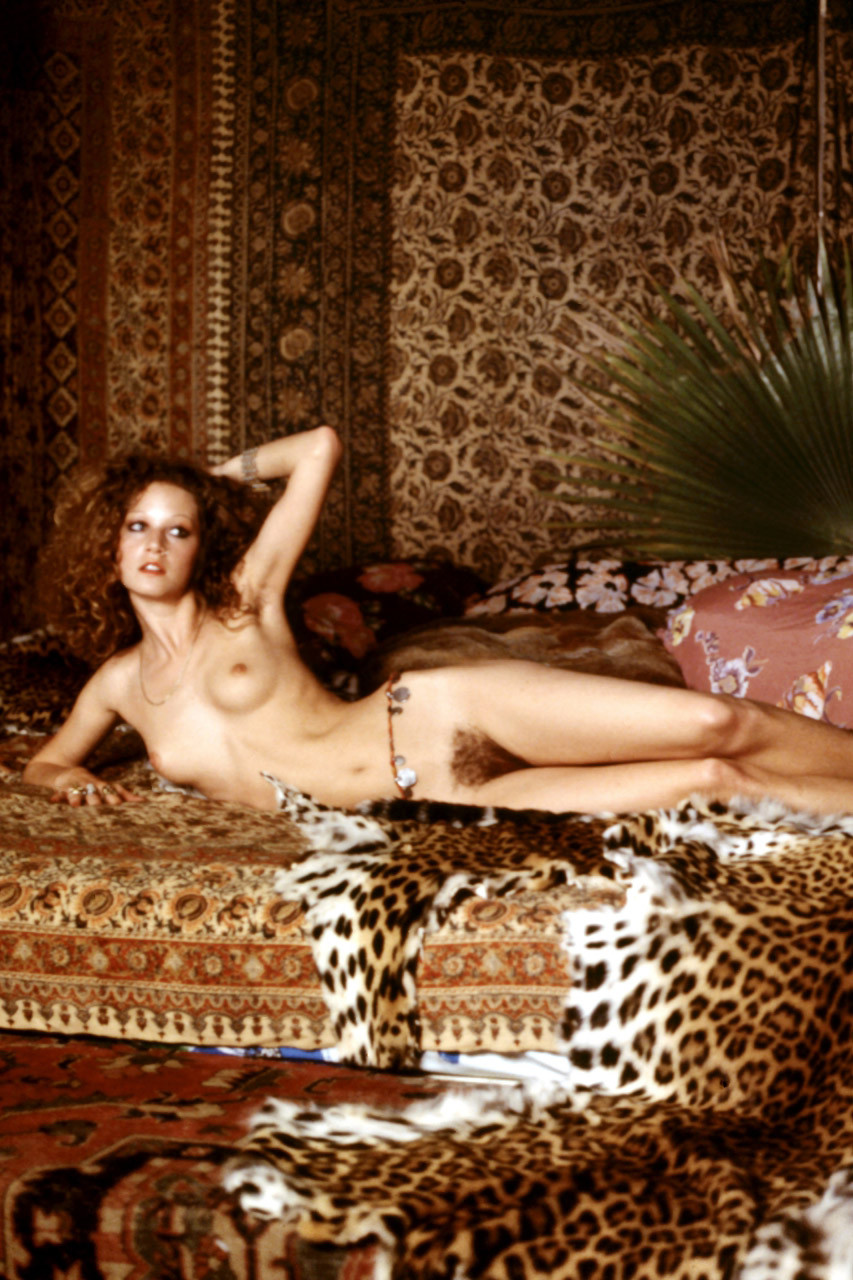
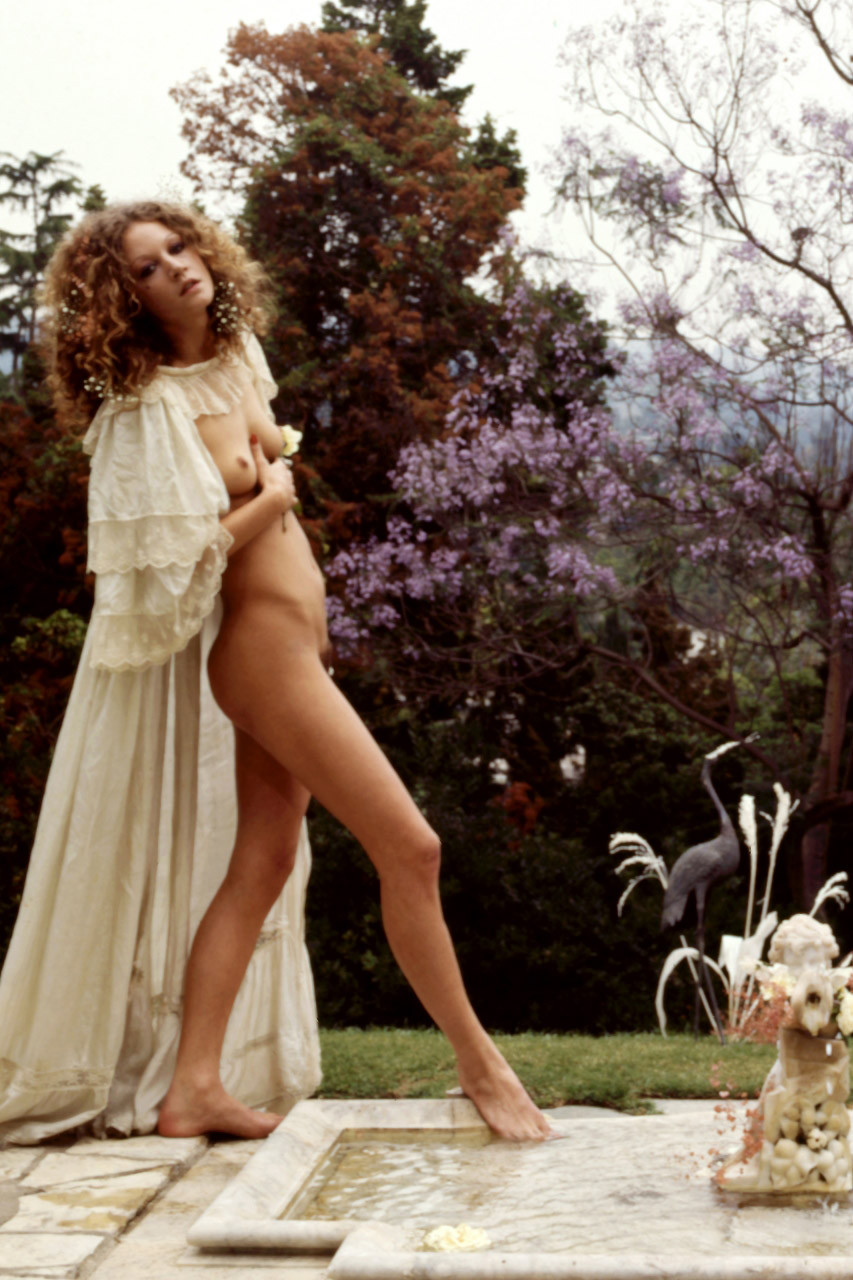
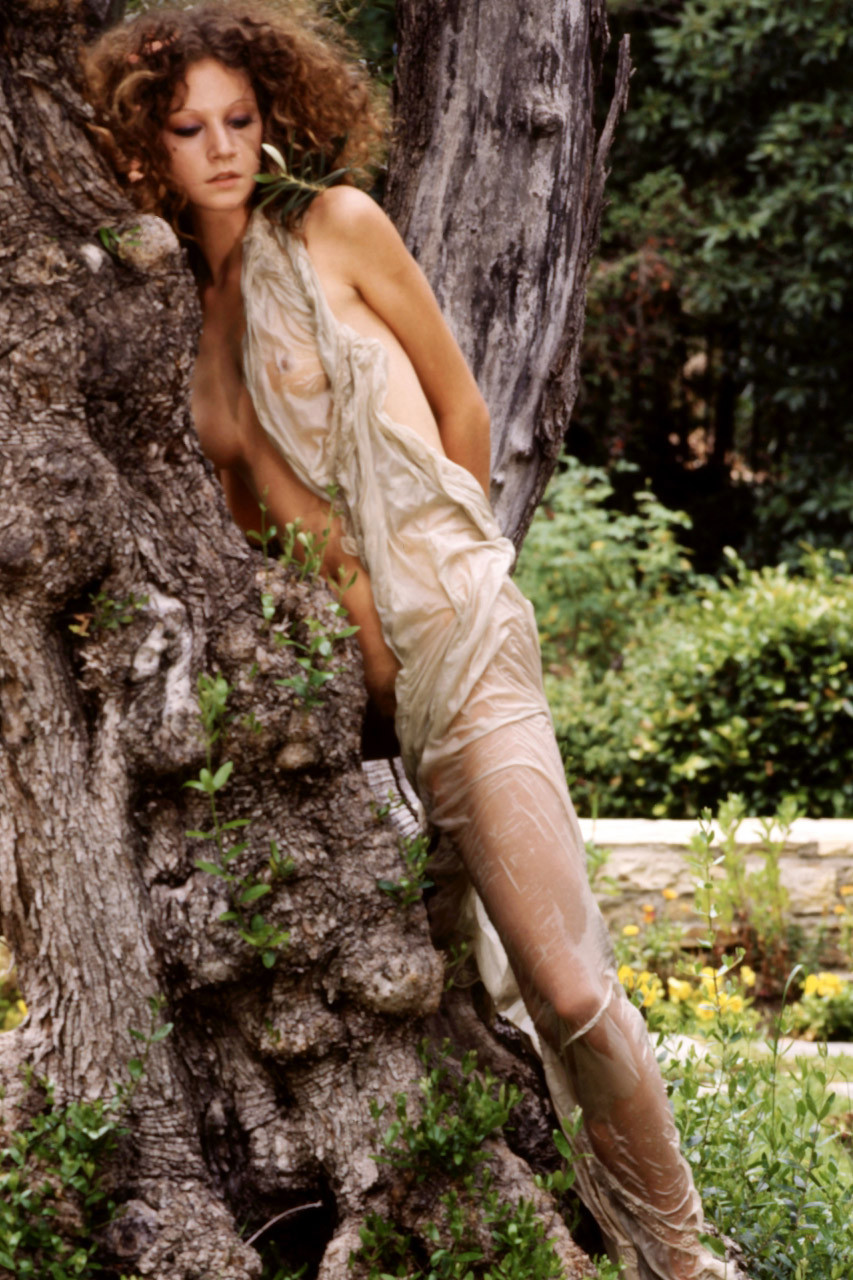
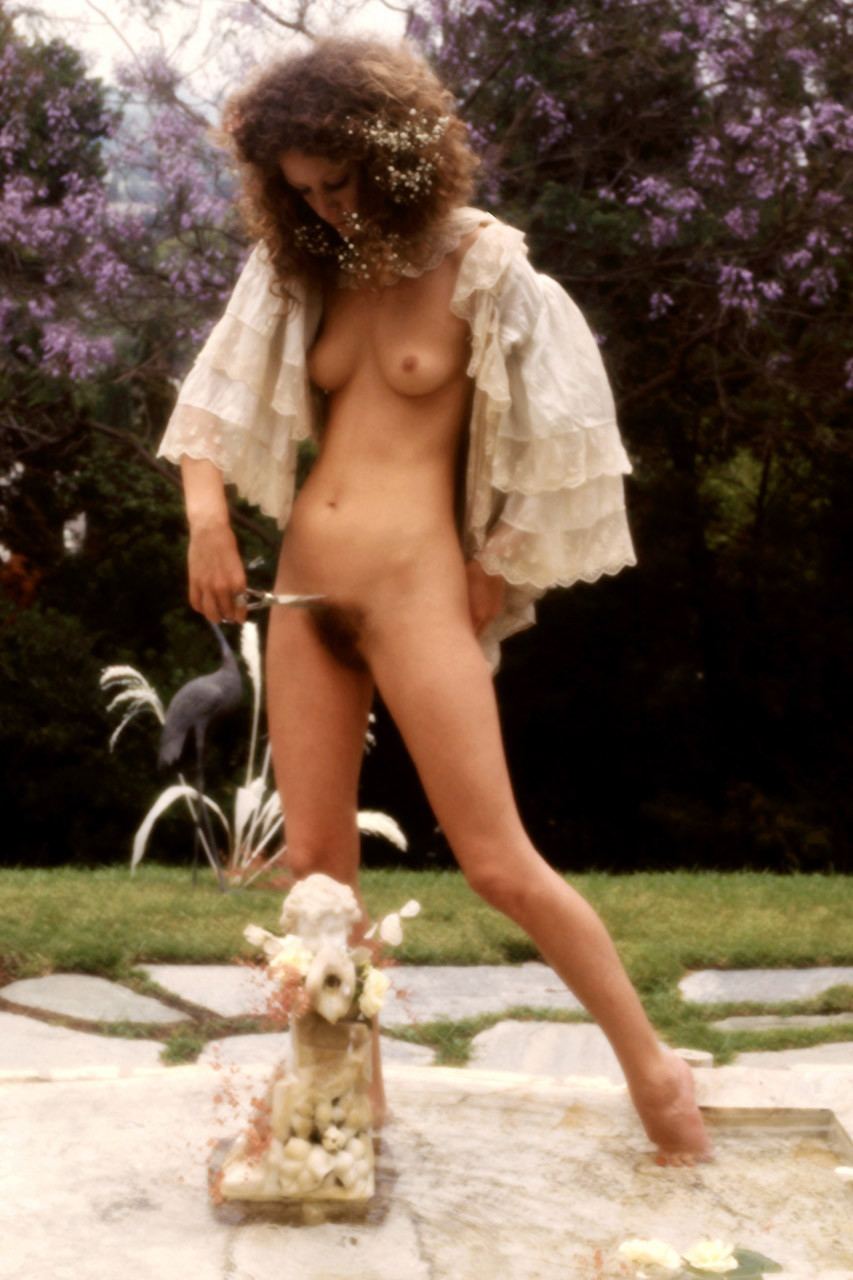
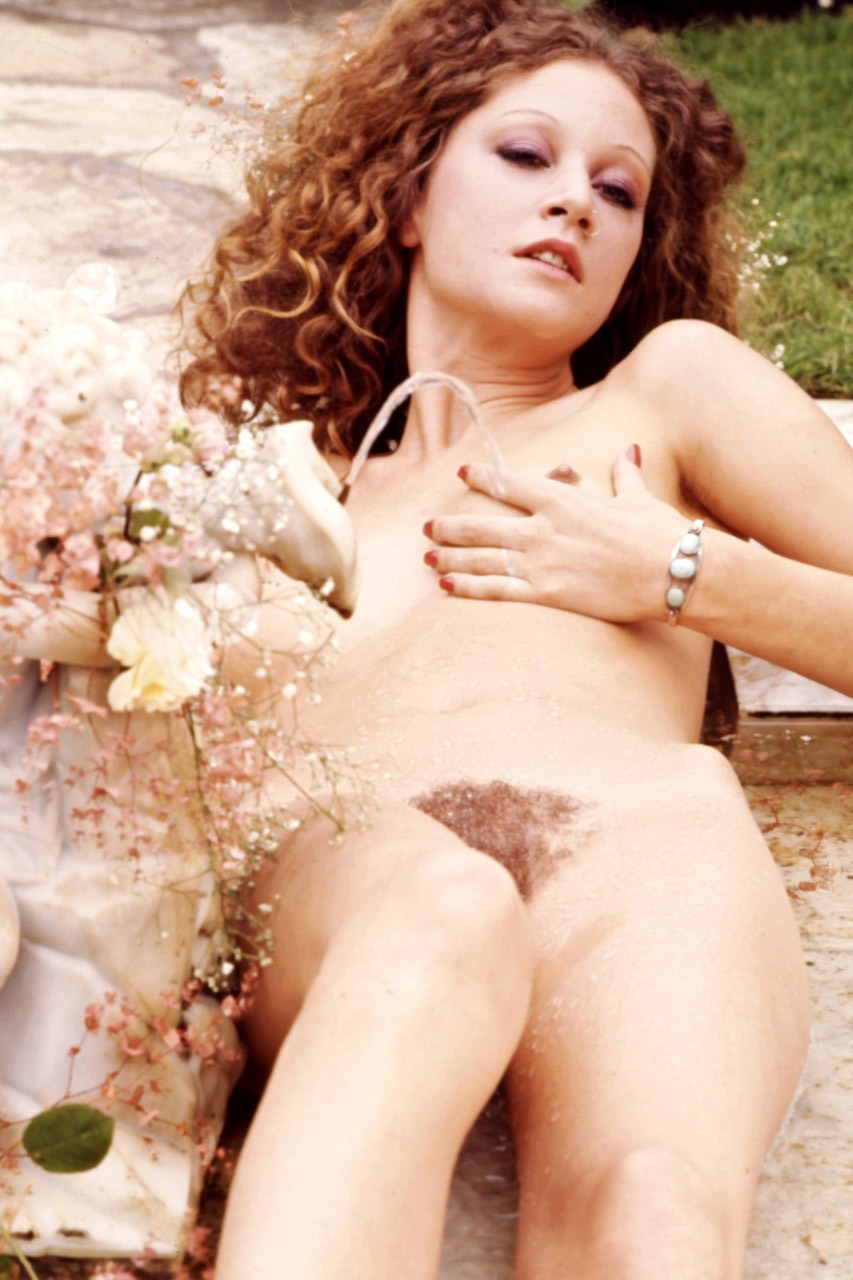
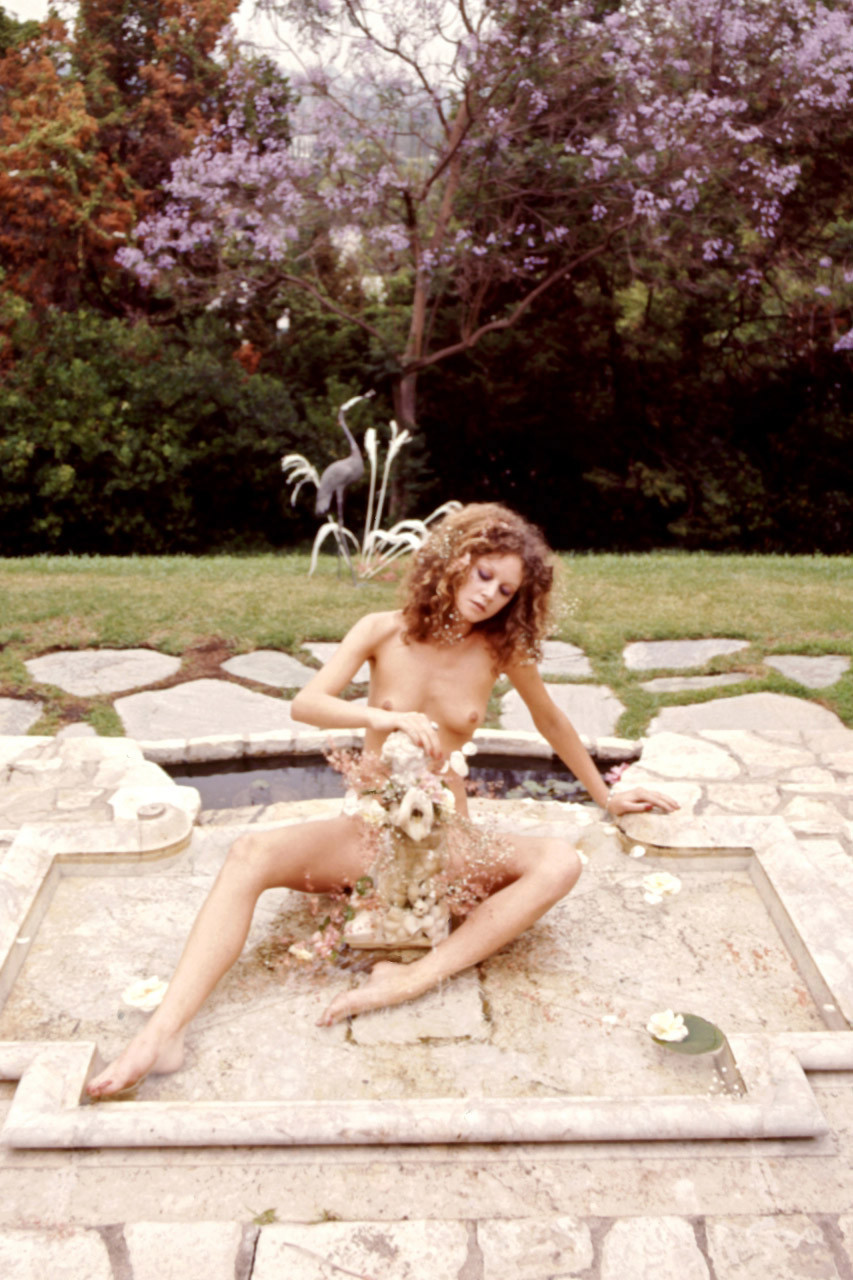
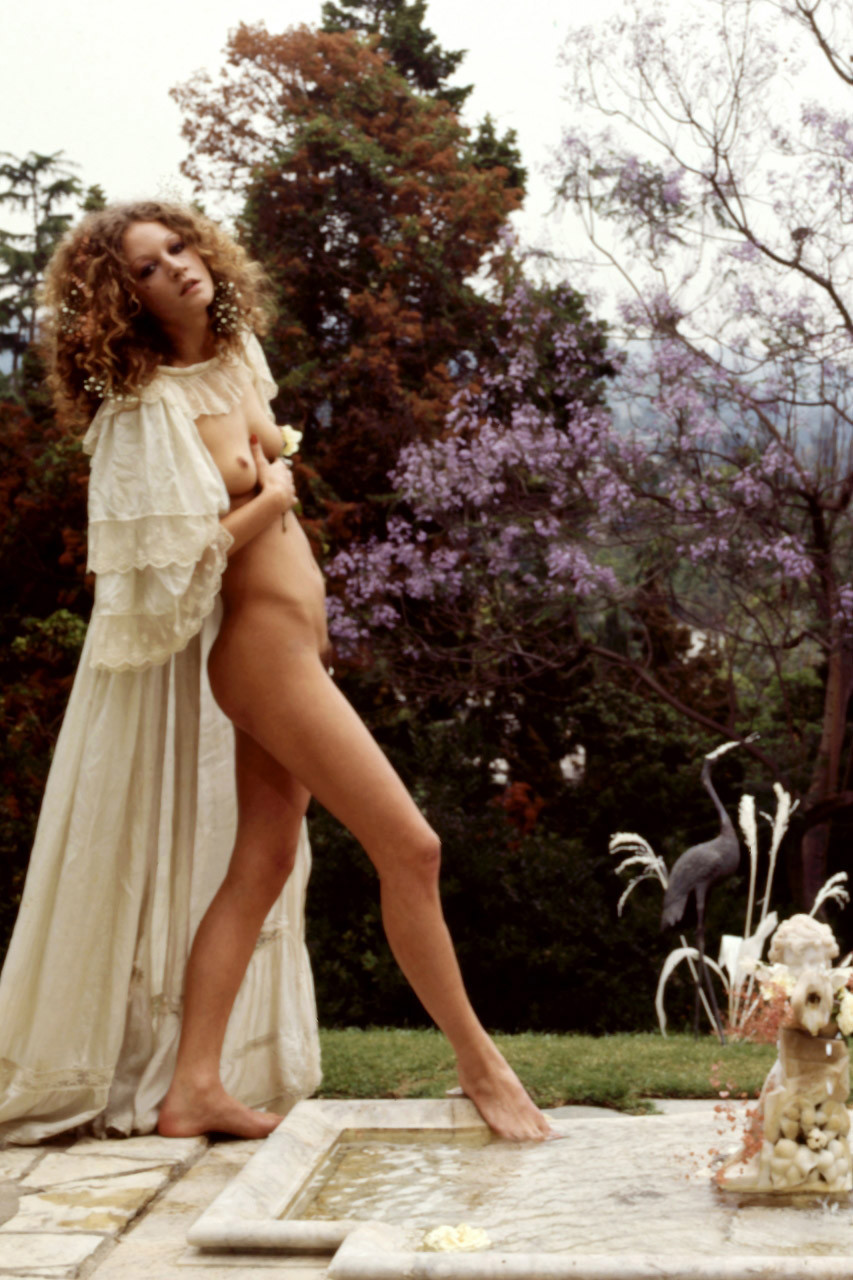
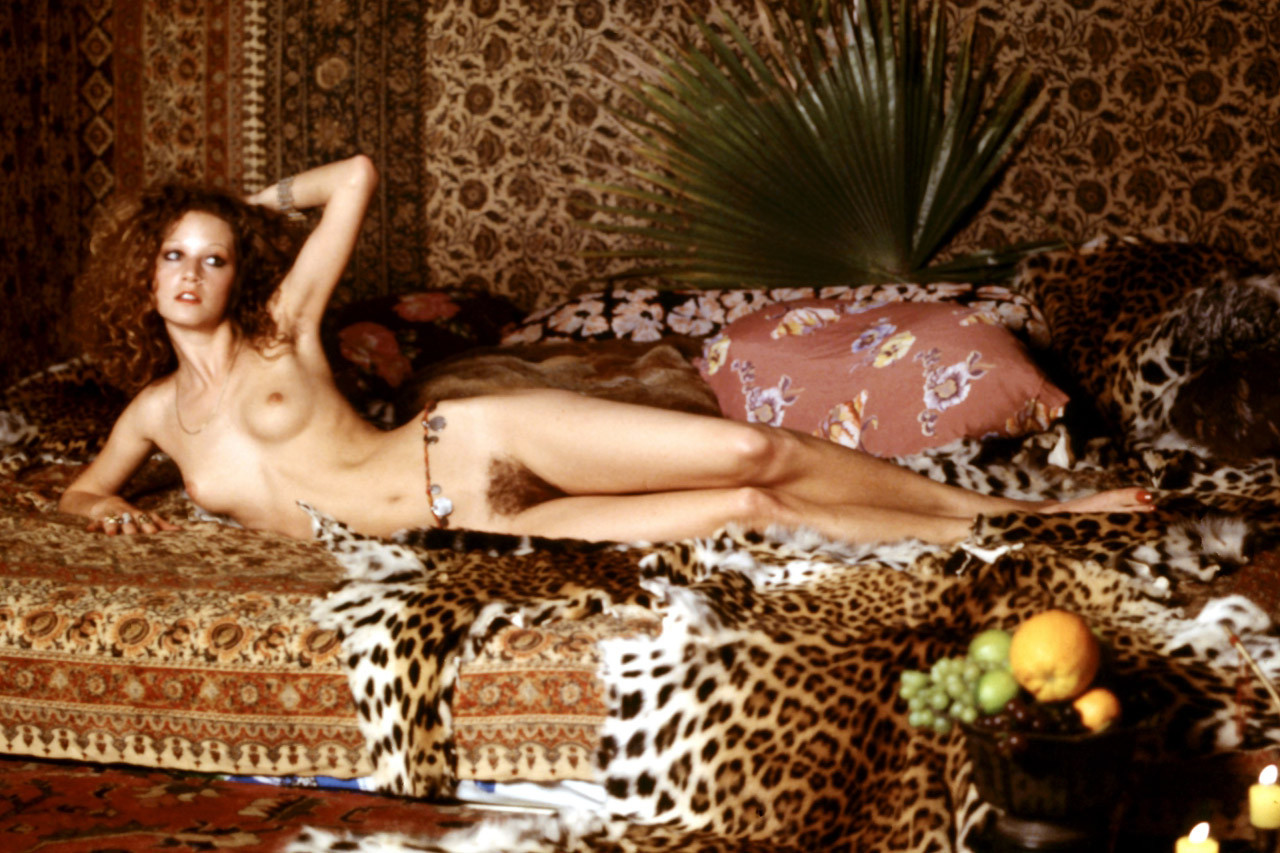
Re Debris stepped into the Penthouse spotlight in October 1972 as a featured model at 23. With brown hair, brown eyes and a 36-22-36 figure, Re brought a polished visual identity to the pictorial.
Re Debris arrived in Penthouse in October 1971 with exactly the kind of countercultural mystique the magazine loved to capture in its early years. Photographed by Harry Cohn and Nick Nichols, she was presented not simply as a model, but as an actress, antique collector, and unmistakable figure of the Sausalito houseboat scene. At 23, she already carried the atmosphere of someone who had stepped outside conventional expectations and discovered that independence suited her far better than respectability ever could.
Even her name belonged to that unconventional life. “Re Debris” was an adopted identity given to her during her first marriage, and it stayed with her after the relationship ended. Born in Texas she spent parts of her childhood in Kentucky, Tennessee, and Seattle before leaving home at 16 to join one of the early hippie communes. She later worked at Sausalito’s celebrated Trident restaurant and eventually made her home on a houseboat there, surrounded by the artists, musicians, wanderers, and outsiders who gave the Bay Area counterculture much of its character.
Film soon became another avenue for that restless personality. By the time Penthouse featured her, Debris was pursuing acting and had traveled to Mexico to work with Alejandro Jodorowsky on The Holy Mountain, the surrealist filmmaker’s extraordinary follow-up to El Topo. The project placed her inside one of the most experimental cinematic environments of the period, far removed from conventional Hollywood. Her Penthouse profile emphasized her enthusiasm for Jodorowsky’s imagination and for people who approached life with optimism and creative intensity rather than cynicism.
That is what makes Re Debris such a perfect early-1970s Penthouse figure. She was difficult to separate from the culture around her: communes, houseboats, underground cinema, antiques, sexual liberation, and the belief that identity could be reinvented whenever necessary. Penthouse captured her at the moment when all of those currents were colliding. The result is less a traditional glamour portrait than a snapshot of a woman who seemed completely at home on the fringes—free-spirited, theatrical, and impossible to mistake for anyone conventional.