Brooke Mills Bio
Brooke Mills is an American actress, dancer, and model. She was born Dolores Ann Williams on January 17, 1949, in St. Joseph, Missouri, United States. She has also been worked professionally as Dodie.
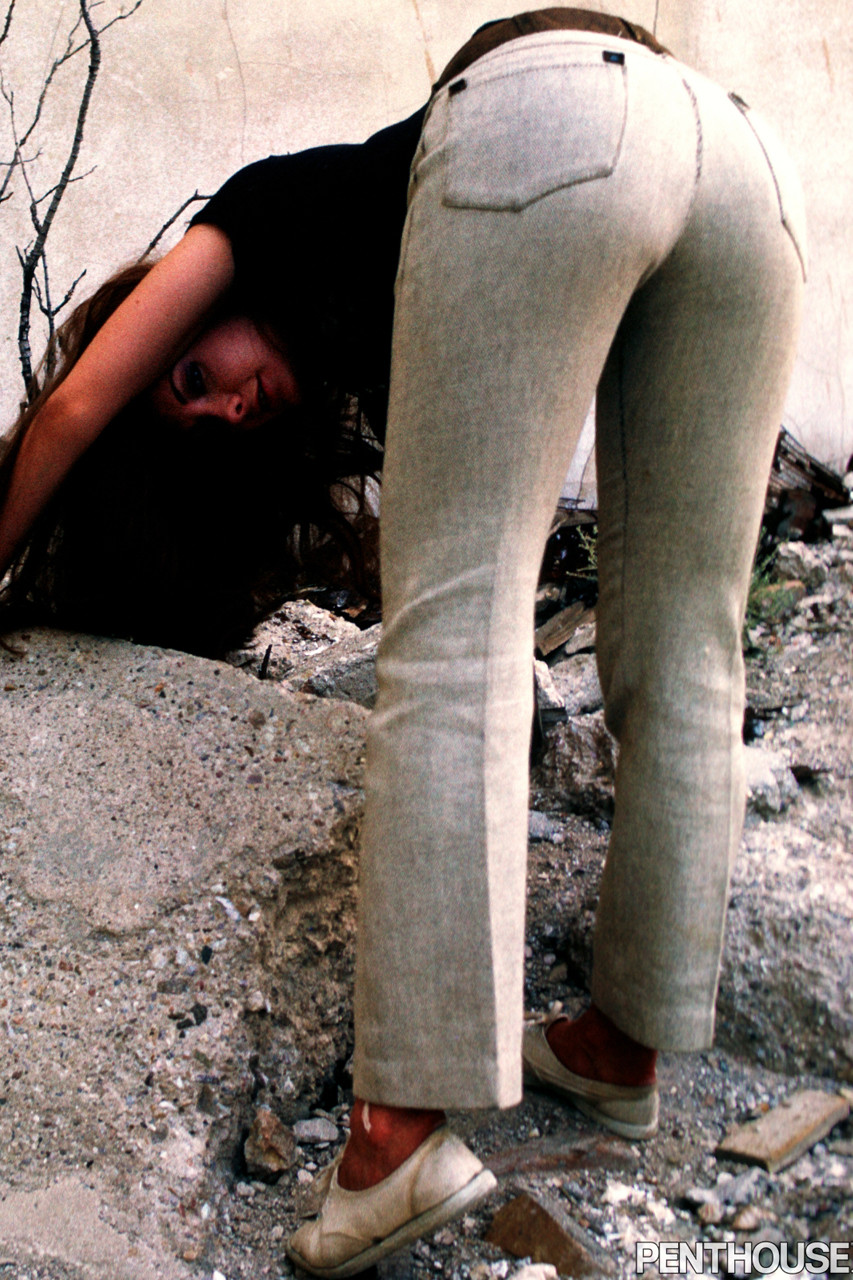
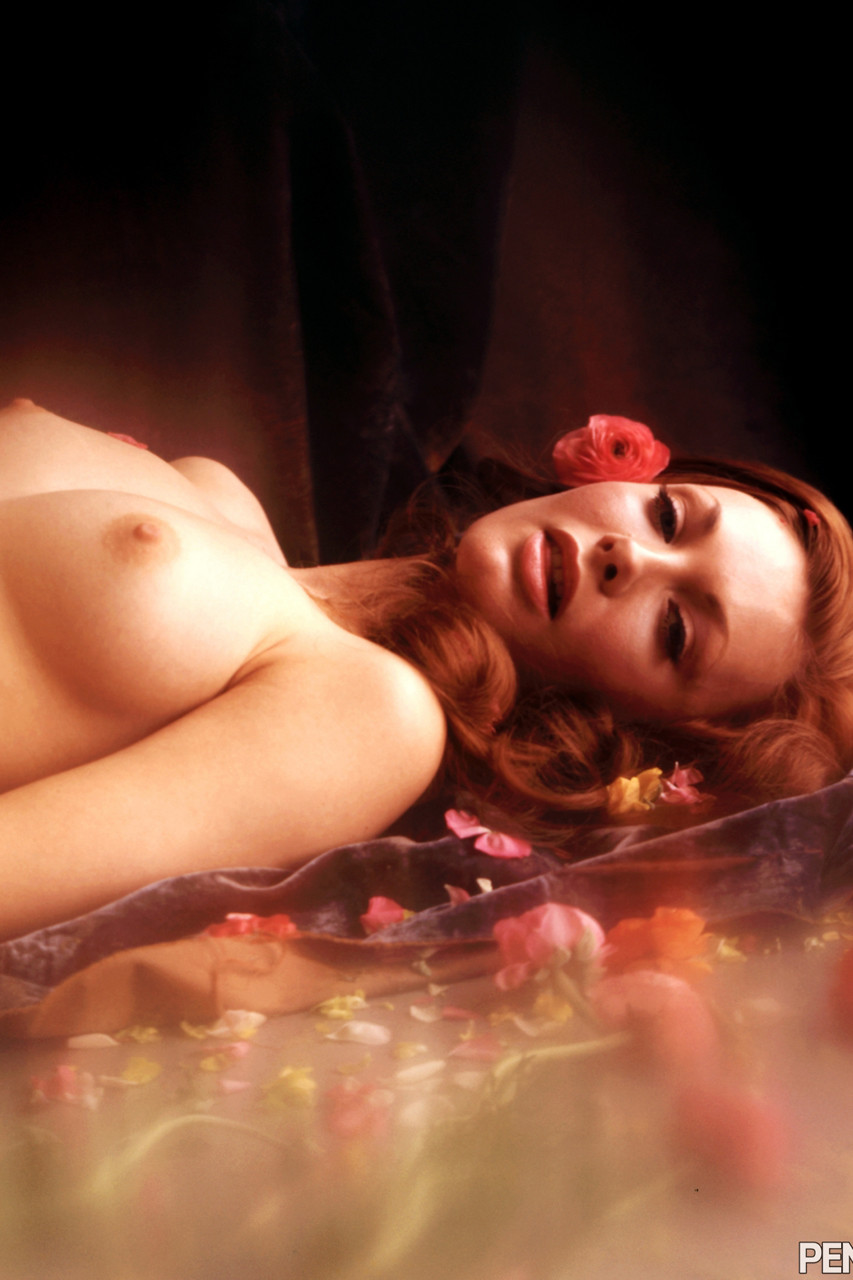
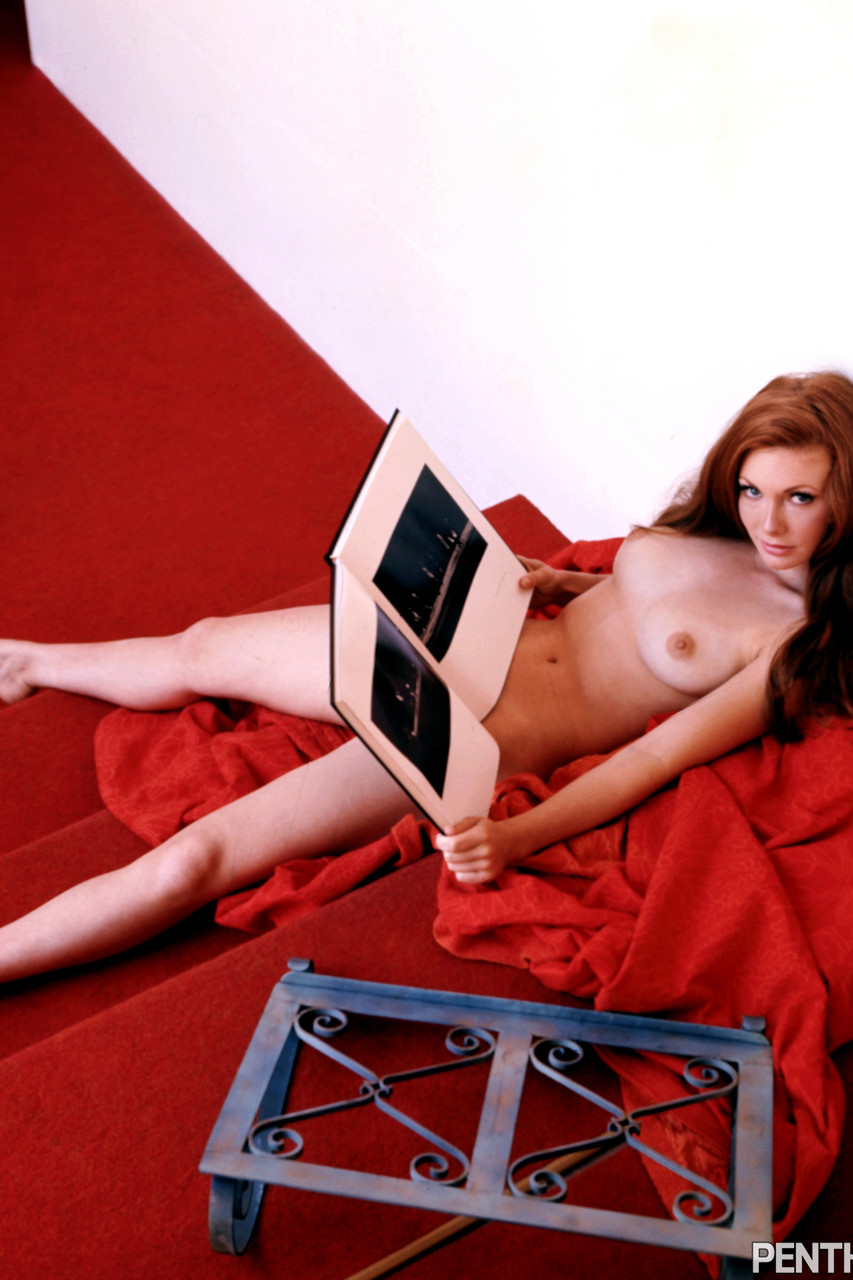
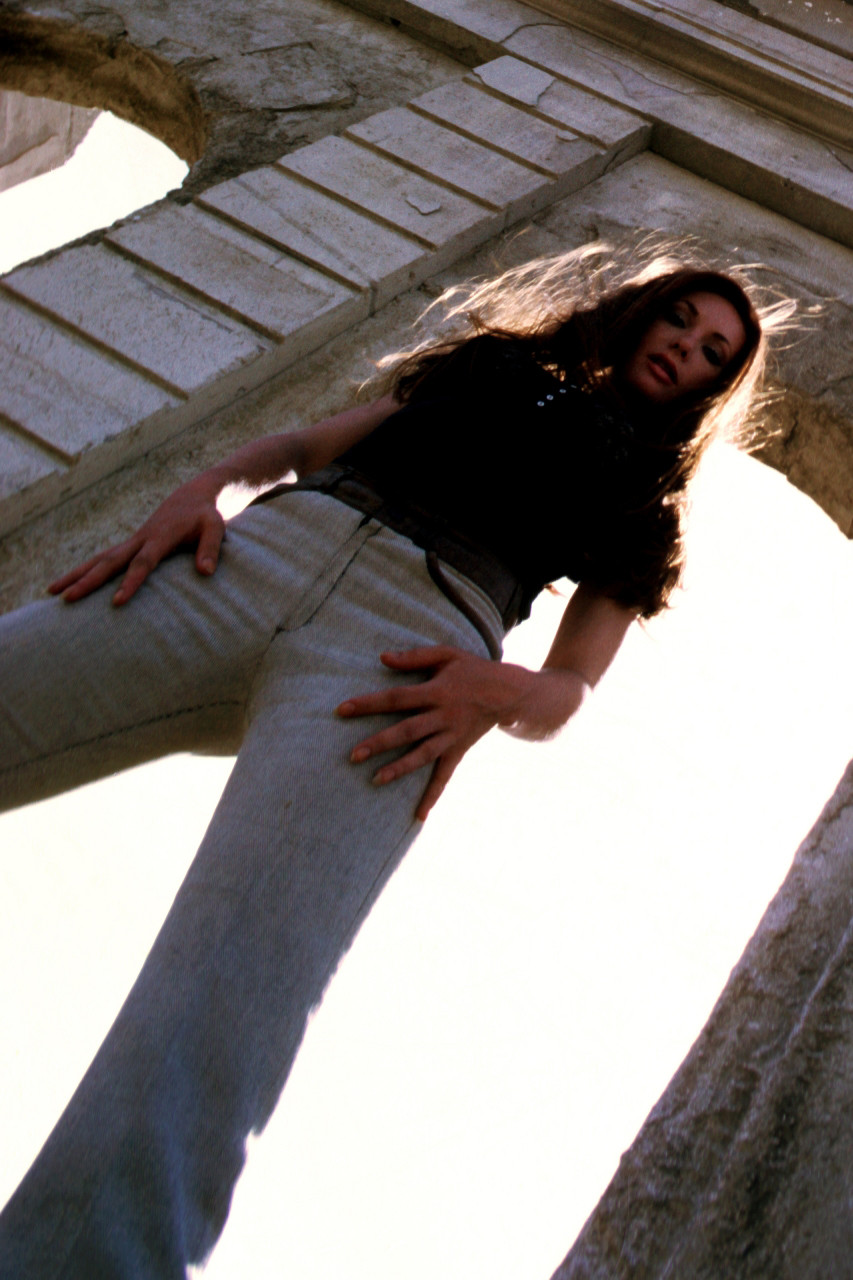
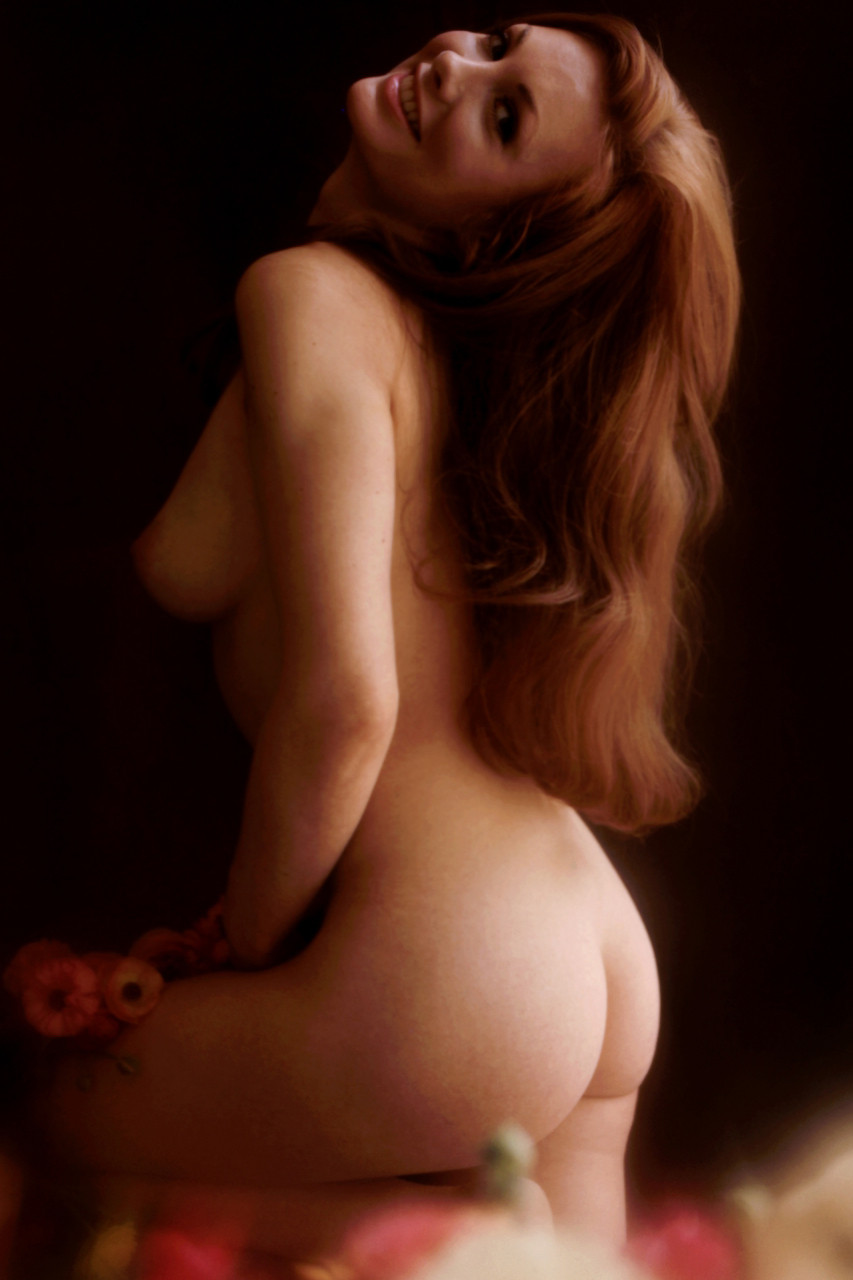
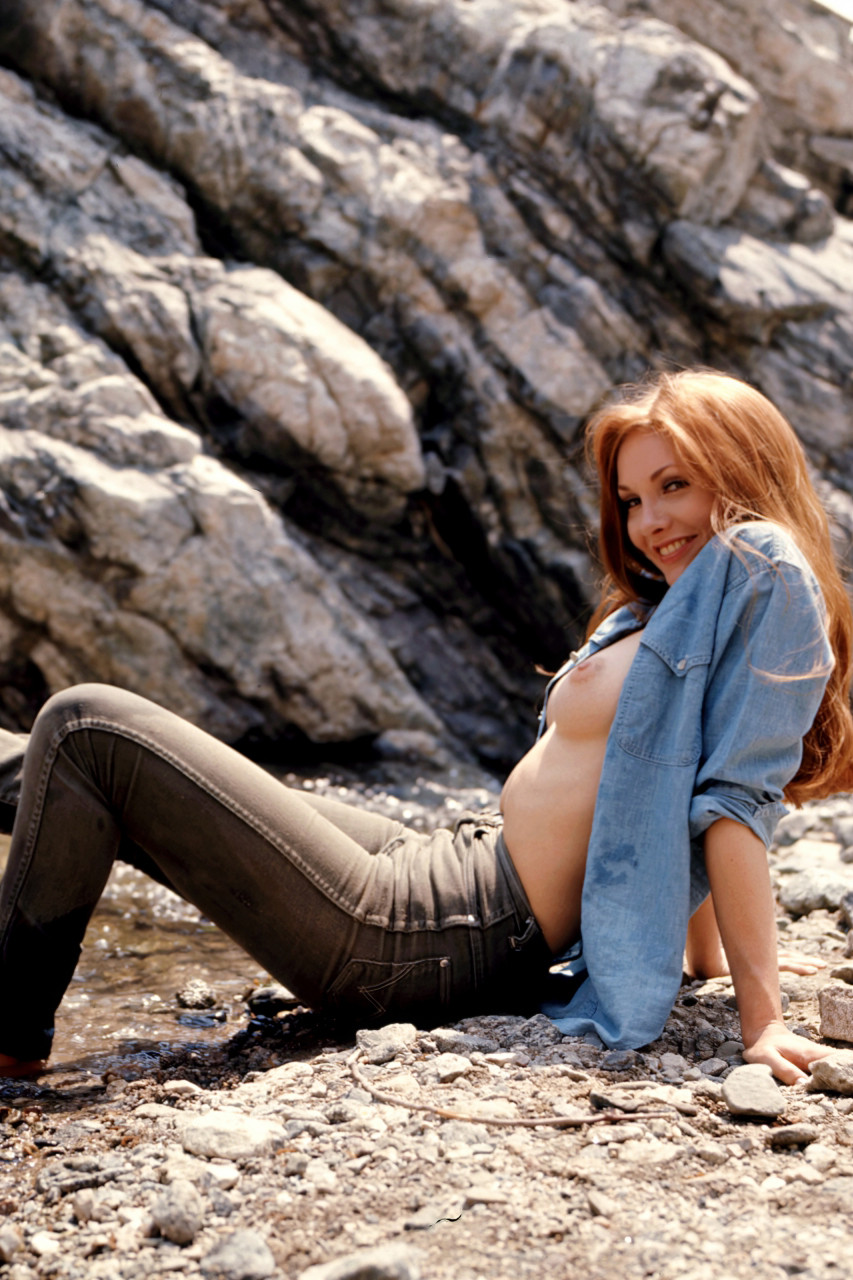
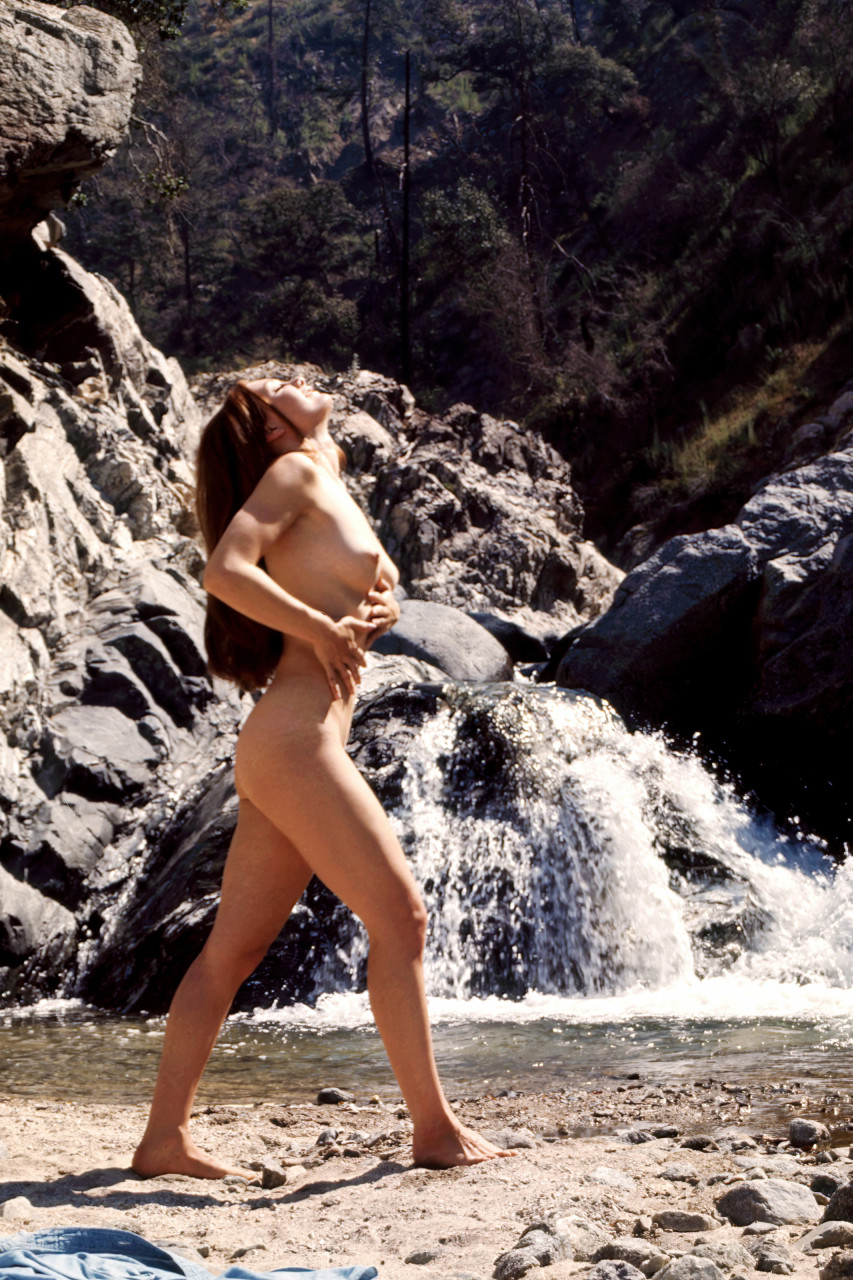
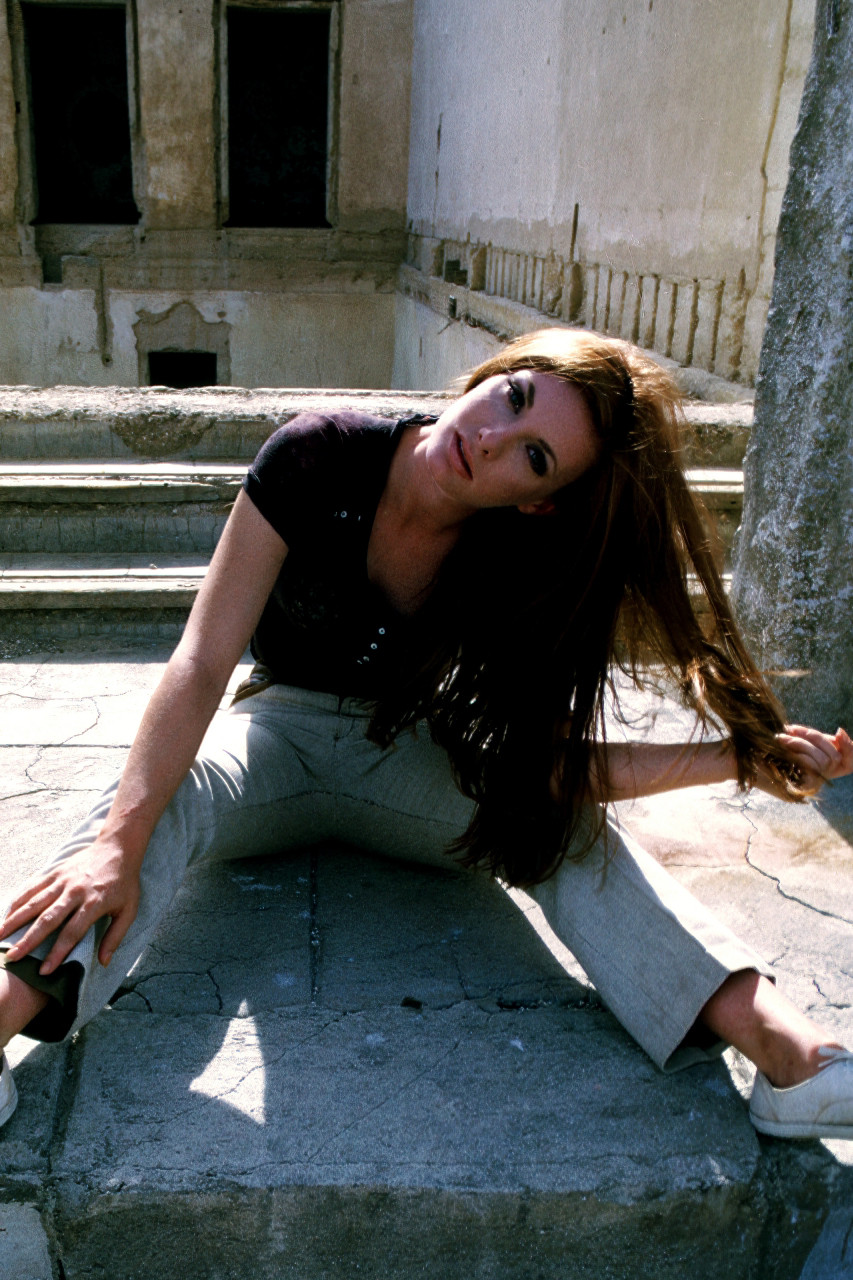
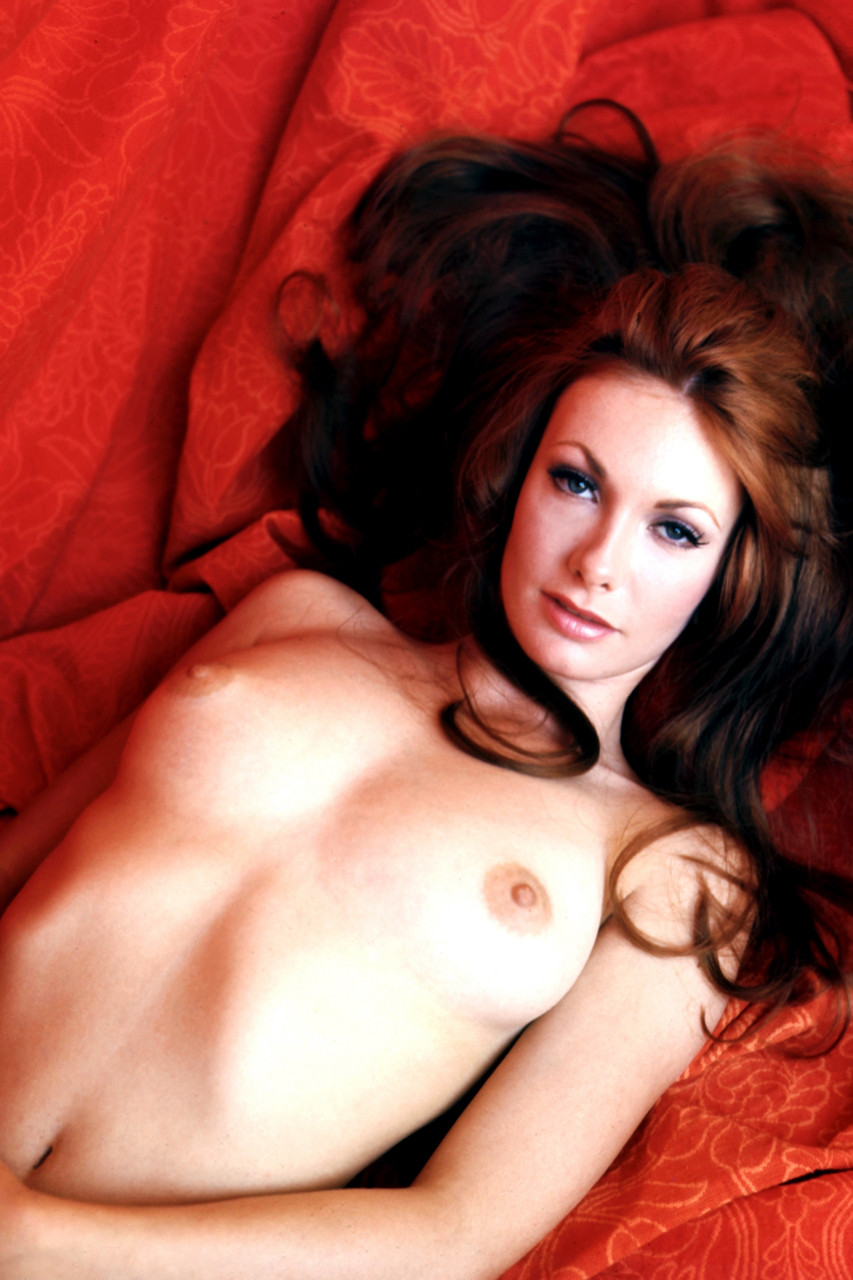
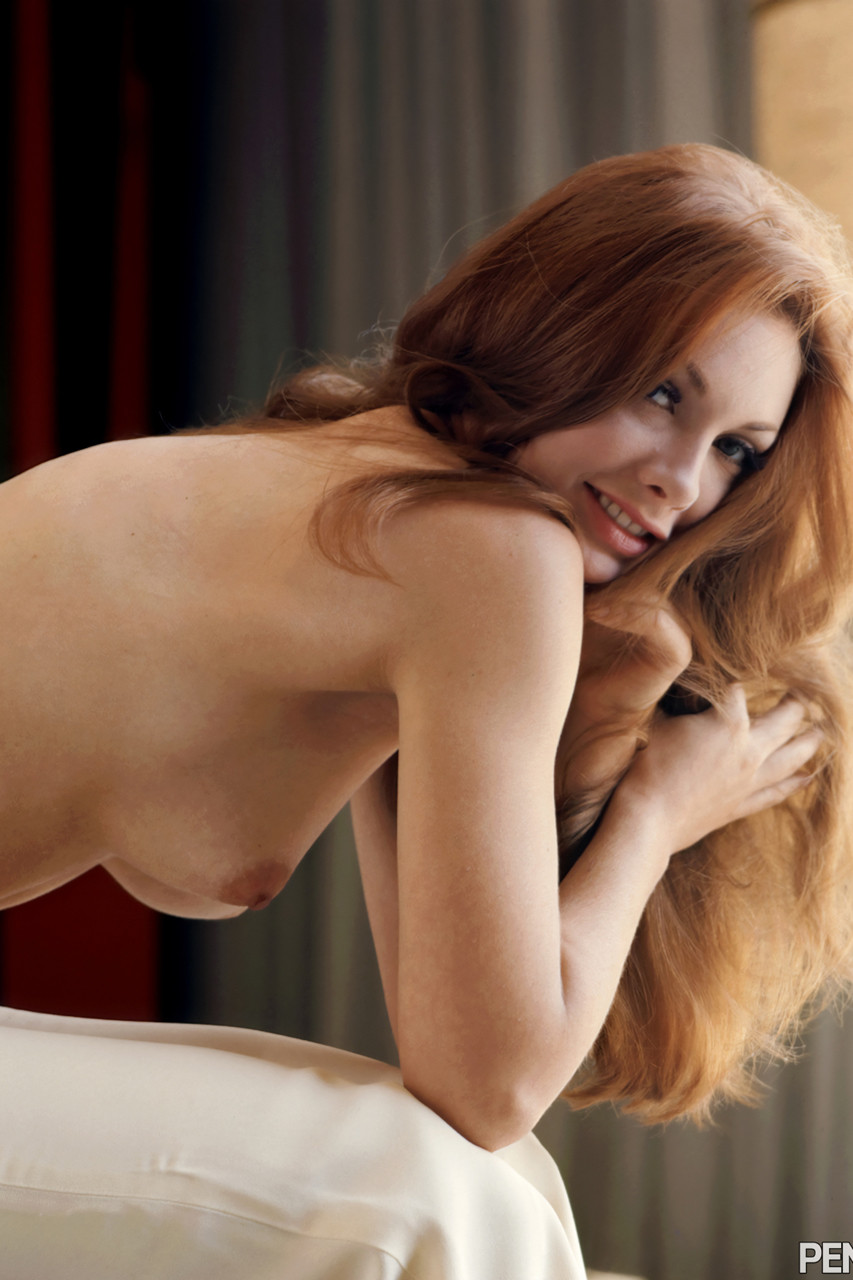
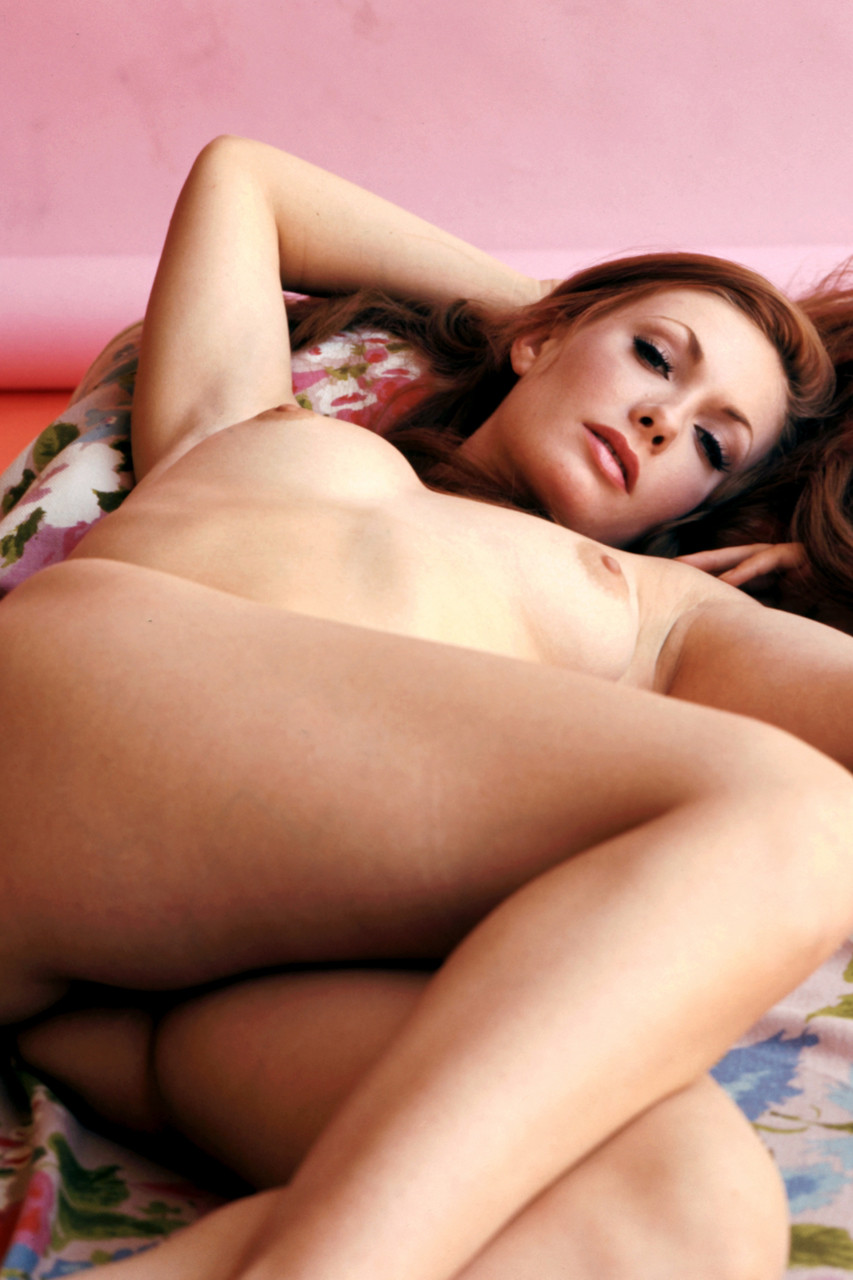
Brooke Mills stepped into the Penthouse spotlight in July 1972 as a featured model at 23. Appearing as actress, dancer, and model, Brooke brought an established professional identity to a feature built around her 35-24-36 figure, blue eyes and red hair.
Brooke Mills had exactly the kind of restless, cinematic glamour that Penthouse could turn into something unforgettable. Her July 1972 appearance came when she was already moving between modeling, dancing, exploitation cinema, and American television, giving the pictorial more voltage than a conventional pin-up feature. Red-haired, expressive, and unmistakably comfortable with performance, Mills looked less like a model temporarily borrowing the spotlight than an actress who understood how to make every still frame suggest a larger story.
Mills entered movies with an uncredited modeling appearance in Elvis Presley’s Live a Little, Love a Little in 1968. She soon moved into darker and more unconventional material, playing Grace MacDonald in Dream No Evil and Leslie Dean in Legacy of Blood. Her most memorable early role came in Jack Hill’s The Big Doll House, where she played Harrad, a troubled prisoner in the cult women-in-prison film. Those parts gave Mills a screen identity built around intensity and unpredictability rather than conventional ingénue sweetness.
Penthouse caught her in the middle of that momentum. The July 1972 issue devoted an eight-page pictorial to Brooke Mills, at a time when her television career was expanding as well. She appeared in series including Mission: Impossible, The F.B.I., Night Gallery, The Mod Squad, Marcus Welby, M.D., and later Police Story and Barbary Coast. In 1973 she returned to exploitation cinema with The Student Teachers, playing the liberated photography instructor Tracy Davis—a role perfectly suited to the fearless, countercultural persona already visible in her Penthouse appearance.
What makes Brooke Mills so compelling in retrospect is the way she embodies the adventurous edge of early-1970s Hollywood. She could move from television drama to drive-in cinema, from modeling to characters that were damaged, rebellious, or defiantly unconventional. Her acting career ended in the late 1970s, making the body of work relatively compact, but the impression remains vivid. Penthouse photographed her when all that possibility was still in motion—beautiful, slightly dangerous, and carrying the unmistakable aura of a woman who looked as though the next scene might begin the moment the camera stopped.